
A useful choice starts with understanding your property and what you want to achieve. This guide organises questions for comparison and planning without assuming a price, material or specification that has not been approved for your project. Use it to prepare an enquiry, then confirm details through a survey and written quotation before supply, manufacture or execution.
Package names are not enough
Economy, distinguished and luxury are useful starting labels, but they do not replace a description of work. Different quotations may use the same name for different materials or scope. Ask what an option actually contains and what changes when moving to another. Last Touch presents finishing levels, while your project quotation remains the reference for items, materials and details. A level should not imply a generic price, warranty or unwritten brand; it should relate to the property needs and approved selections.
Economy: define what you need clearly
When discussing an economy option, begin with essential functions and a layout that supports use. Review services, preparation and materials, then identify details that can be omitted without compromising the intended use. A simpler selection is not a reason to skip inspection or leave specifications vague. Approve samples and scope as with any project, and establish whether some work is deferred or excluded. This makes the decision about the actual handover rather than an assumption that every simple looking option has identical contents.
Distinguished: coordinate the selections
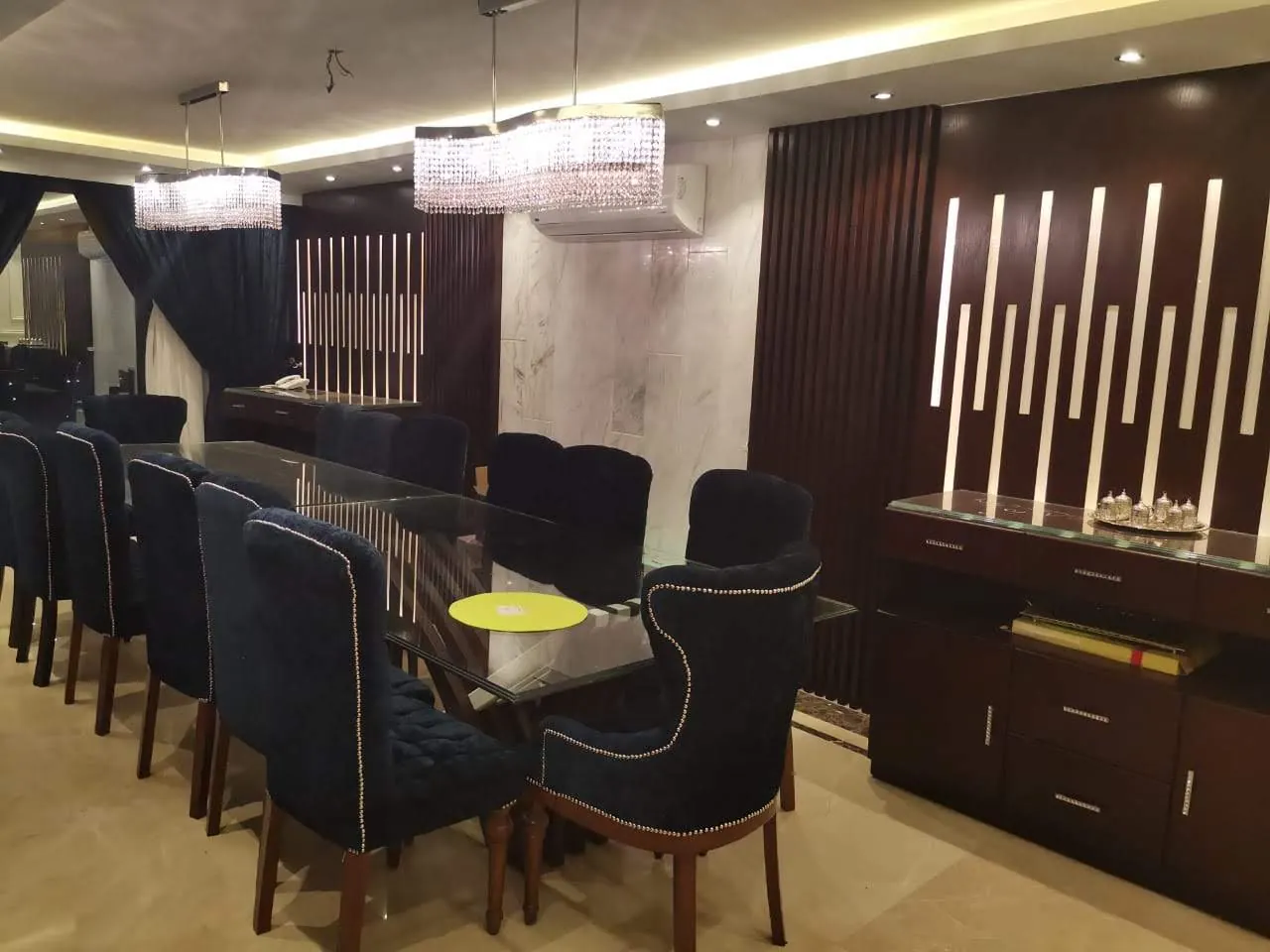
A distinguished option can be discussed through the materials, details, ceilings and lighting described among the site choices, but every detail should not be assumed automatically included. Explain what you want to develop: floors, wall finishes, lighting or units designed for the room. Then review the effect on services and measurements. More choices do not replace a coherent plan. A clear direction and compatible samples are more useful than a collection of attractive elements that do not work together in the actual space.
Luxury: document the custom work
When discussing luxury, visualisation, details and custom joinery or units become important according to the requested scope. Saying that you want the photograph is insufficient: identify pieces, materials, finishes and approvals before manufacture. Three dimensional visualisation helps explain a direction but does not replace execution details, dimensions or samples. Imported materials, appliances and brands should not be assumed. The reference is the quotation that identifies what will be designed, supplied and executed and clearly states the boundaries of each item.
What should every level address?
Whatever the level, review use, services, interfaces, inspection and handover. Replacing windows, shutters or ceilings affects surrounding work, so these items can be coordinated with Al Safwa before finishing closes them. For kitchens and dressing rooms, review appliances, circulation and door movement before final measurement and manufacture. These questions explain how the project will work. Any difference in timing, terms or warranties needs a written agreement for the requested work and should not be inferred from the package name.
Choose priorities rather than a label
Consider where you spend time and what matters in storage, lighting and everyday use, then set priorities by room. The degree of customisation can vary between spaces, but execution still needs a coordinated plan. Price follows the survey according to dimensions, materials and scope. Ask Last Touch to explain options against your actual project and review samples and work items before approval. A sound decision is one whose details, inclusions and additional requirements you understand, rather than one based on a label alone.
Compare one room in detail
If level differences remain unclear, choose one room and review each option item by item. What surface preparation, material and sample are included? How are furniture and lighting arranged? Are custom units included or only finishes? Record actual differences and unchanged items, then apply the same reasoning elsewhere without assuming every room needs identical treatment. This is more practical than comparing broad photographs because it connects a package name with contents. Ask for unclear items to be described before approval instead of guessing from a total.
Samples explain choices better than labels
Review samples with surrounding colours, proposed lighting and room use. A material appealing on its own may need reconsideration beside a floor, wall or unit front. A higher level does not mean every element must be more decorative. Your priority might be layout, storage or a custom piece instead. Keep a coordinated selection record by room. If a sample or detail changes, review related items before supply so visualisations, samples and the actual order do not become conflicting references.
The agreement matters more than assumptions
Before selecting, clarify design, services, supply and execution, change approval and handover. Identify work by other providers and coordination timing. Do not transfer a friend quotation to your property merely because the package name matches: condition, measurements and selections differ. Read the cost guide for quotation factors and the stages guide for sequencing relationships. Then discuss photographs, inspection findings and actual choices with Last Touch. Cost, timing, components and terms must come from your approved quotation rather than an assumption that a label guarantees fixed contents.
Related services
Continue reading
Coordinate windows, shutters and gypsum ceilings with Al Safwa where they form part of the project.